

You probably remember how difficult it used to be to write code if you’ve been doing it for a long time. Not the bit where you think; that’s still entertaining. It’s everything else. Looking for syntax. Making little corrections. Over and over again, writing the same patterns. That mental stress builds up.
I struck that wall by myself. Long hours, weary eyes, and bugs that shouldn’t be there. Not because the task was hard, but because I was losing energy all over the place. AI didn’t instantly make coding easier, but it did transform how it feels to code.
AI technologies that work well don’t take the role of developers. They get rid of noise. They handle the dull portions so your mind may keep on logic and structure. That makes people more productive on their own. You get fewer bugs since you’re not as weary. Things are moving quickly, but not too fast.
The difficulty is that not all AI tools can be trusted. Some of them break your flow. Some people guess too much. Some people think they were made for demonstrations, not serious projects.
This post is mainly about the best AI tools for coding that really work when the novelty wears off. You can utilize these tools every day without becoming tired of them after two weeks.
Why AI Tools Are Important for Real Coding Work
Before we list the tools, let’s take a break.
AI is important because people make it. We grow fatigued. We make the same errors again and over. After looking at the same file for hours, we lose attention. AI never gets weary. It doesn’t become impatient. It doesn’t mind saying the same things again and over.
In actual life, it means there are fewer context shifts. Less searching on Google. Not as much rewriting. You remain in the issue for longer. That’s where we find better answers.
The appropriate AI tool may silently transform how you work whether you’re creating quickly, testing concepts, repairing old code, or simply attempting to ship without getting burned out. Not in a big way. In a subtle way. And that’s why picking the appropriate one is important.
If you enjoy practical guides like this, read more blogs from PickSorted here:
https://picksorted.com

GitHub Copilot is like a clever coding buddy who knows what you’re attempting to develop without saying anything. It knows what follows next as soon as you start creating a function, add a remark, or simply enter half a line. What stuck out to me is how it makes things easier on the mind. You don’t pause to think about grammar or common patterns anymore. It works nicely with repeating reasoning and keeps your flow continuing. It does get recommendations incorrect sometimes, but that’s unusual if your code is straightforward. It learns how you write over time, which makes the experience better. This program really saves you hours of labor every day without making you modify how you operate.
Best for
GitHub Copilot is great for developers that write code every day and want to get things done quickly without losing concentration. It works effectively for extended coding sessions when even little delays may build up.
Supports
It works with a lot of popular languages, such JavaScript, Python, Java, C++, Go, and TypeScript, particularly with IDEs like VS Code.
Why it’s good
The best thing about it is how easily it fits into your routine. You don’t feel like you’re “using AI.” It simply helps.
Is it free?
You may try it out for free. After that, you have to pay for it, which makes sense for business usage.
2. Cursor
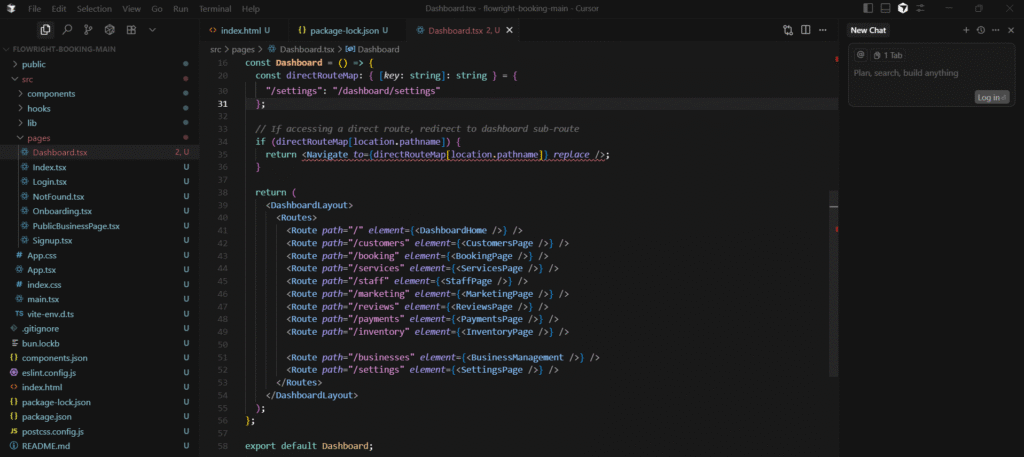
Cursor is not simply another code editor with AI on top. It really knows everything about your project. When things become nasty, that distinction counts. Cursor scans your files, connections, and logic before recommending modifications, so you don’t have to guess. I’ve used it to repair ancient codebases, and it seemed like someone finally got the issue without my having to explain everything. You may ask it questions in plain English, and it will give you revisions that make sense, not random guesses. When you go back to code you written months ago and don’t remember how it works, this is quite helpful.
Best for
Cursor is best for developers who are working on big or long-running projects where knowing the context is more important than speed.
Supports
It works nicely with JavaScript, Python, React applications, backend logic, and contemporary frameworks.
Why it’s good
Its power is being aware. It doesn’t work blindly, which saves time while debugging and reworking.
Is it free?
There is a free version, however it has certain constraints. Paid subscriptions provide you access to more features.
3. Lovable (My Favorite)
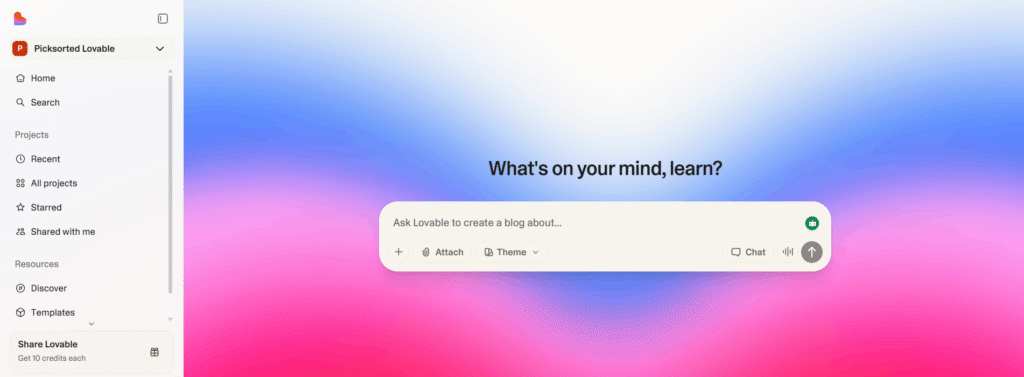
I like Lovable because it feels distinct from typical AI coding tools. It doesn’t just look at lines of code; it looks at what you’re attempting to produce. You say what you want to say in simple terms, and it turns it into reasoning that works. It seemed more like art than science when I used it to make fast prototypes. It doesn’t make things too hard. It even gives me ideas for ways to do things that I wouldn’t have thought about. Lovable helps coding seem easier for builders who want outcomes quickly without having to deal with structure.
Best for
Lovable is great for folks who want to rapidly test ideas, construct MVPs, or simple tools without worrying too much about structure.
Supports
It enables web applications, backend logic, and rudimentary UI development based on what you provide it.
Why it’s good
It knows what you want. You spend less time correcting syntax and more time thinking about concepts.
Is it free?
It has a free tier and premium alternatives for longer use and quicker production.
4. Bolt.new
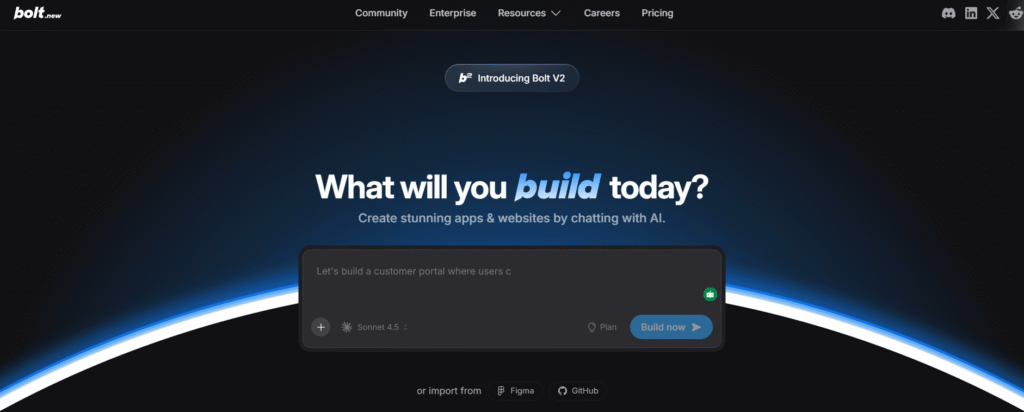
Bolt.new was made to be fast. You tell it what you want, and it provides you code that works without any setup stress. I utilized it when I wanted something quick, like internal tools, demonstrations, or rapid tests. It’s not intended for big systems, and that’s okay. It doesn’t strive to do it everything. I enjoy how straightforward it is. No distractions and no complicated setup. You download the code, test it, and then move on.
Best for
Developers that require rapid results for tiny projects or proof-of-concept work would love Bolt.new.
Supports
Its major emphasis is on processes that leverage JavaScript, frontend logic, and lightweight tools.
Why it’s good
The major reason is because it’s fast. You can immediately acquire useful results without getting tired of setting it up.
Is it free?
There is just a little bit of free access. There are paid options for those who use it more.
5. Tabnine
Compared to other AI tools, Tabnine is quieter. It is all about privacy and clean autocomplete. This is really important whether you work with other people or in a business. It doesn’t push recommendations too much. Instead, it remains the same and is easy to understand. I thought it was helpful when being consistent was more important than being creative. You probably won’t be surprised, but that’s a good thing in business settings.
Best for
Tabnine is great for developers, teams, and businesses who care about privacy and smooth processes.
Supports
It works with most major programming languages and works with most IDEs.
Why it’s good
It is safe to use for shared codebases since it puts privacy first and only gives you ideas that are relevant to you.
Is it free?
There is a free basic version. You need to pay for a plan to get advanced features.
How to Pick the Best AI Tools for Coding
It’s not about choosing the “best” AI coding tool. It’s about choosing the one that works best for you.
Tools that describe purpose, like Lovable, might help you if you’re just starting off. You won’t feel trapped every time the syntax breaks. But you shouldn’t depend on AI totally. Don’t use it as a shortcut; use it as a guide.
When you work for a living, speed and precision are more important. GitHub Copilot is great here since it doesn’t get in the way of everyday tasks. When your project becomes bigger and things get more complicated, Cursor makes more sense.
The budget is equally important. Begin with free versions. Use them for a while. Paying for a product that saves you actual hours every week seems fair. Drop it if it doesn’t.
You should also consider about the environment. Are you a solo developer? You may try things out without any limits. Company or team? Tools like Tabnine are superior for privacy and consistency.
The appropriate tool doesn’t alter how you think.
It simply makes things easier.
FAQ
Is it safe to utilize AI coding tools on actual projects?
Yes, but be careful. AI may help you develop code quicker, but a person should always do the final review. I still examine the reasoning again before putting it into use.
Can those who are just starting out use AI technologies to learn how to code?
They can, but they shouldn’t rely on them completely. AI does a good job at explaining reasoning, but in the long run, it’s important to know the basics.
Do AI tools take the position of developers?
No. They make things easier, not harder. You still get to choose the architecture, logic, and responsibilities.
What is the greatest AI tool for freelance programmers?
Lovable and GitHub Copilot are great for quick client work and prototypes.
Last Thought
Honestly, coding doesn’t seem as hard once you start utilizing the correct AI tool. You think more, type less, and make things quicker. That’s the genuine deal.
These coding tools that beat AI aren’t fads. They are part of how development works these days.
Make a good choice. Take your time with the test. Have faith in your experience.