

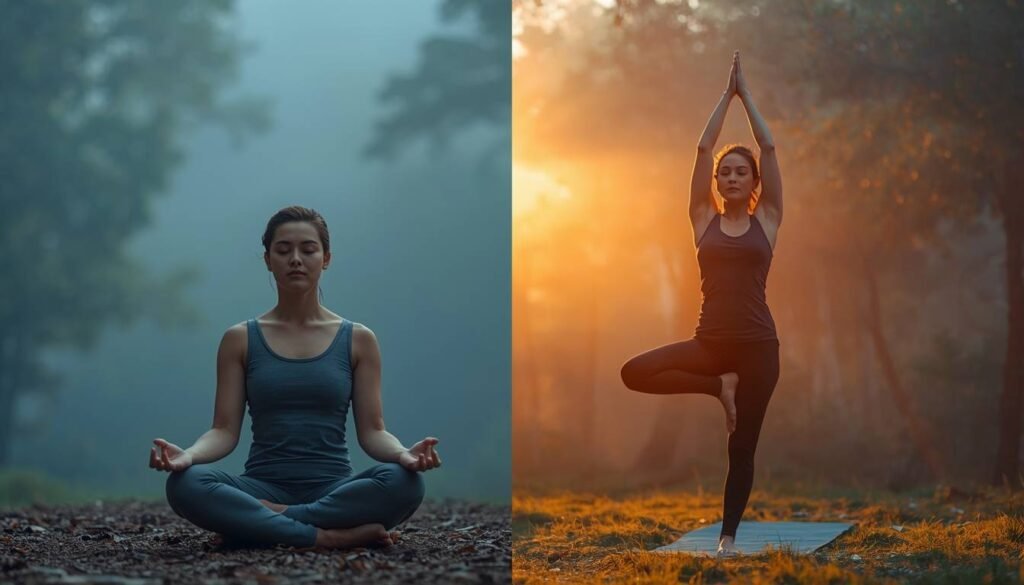
Yoga and meditation are not new ideas. They didn’t come from new health applications or social media trends. People who only wanted to live better lives have slowly changed these practices over the course of thousands of years. Even before phones and busy schedules, people have always wanted quiet, strength, and clarity. Yoga was good for the body. Meditation was good for the mind. The benefits of yoga and meditation are still real even today.
What surprises me is how useful they still are.
Things are going swiftly these days. For many of us, work stress, too much screen time, not enough sleep, and long-term stress are all normal. I used to believe that peace came when you accomplished something right. I realized that you have to work on being calm every day. You may take a break, breathe, and reconnect with yourself through yoga and meditation. They don’t change life overnight. They change the way you handle things.
Yoga and meditation are still helpful because they help you find a balance between being still and moving. Not as spiritual trends. Not like fitness crazes. But they are useful tools for real people with real lives.
The Good Things About Yoga
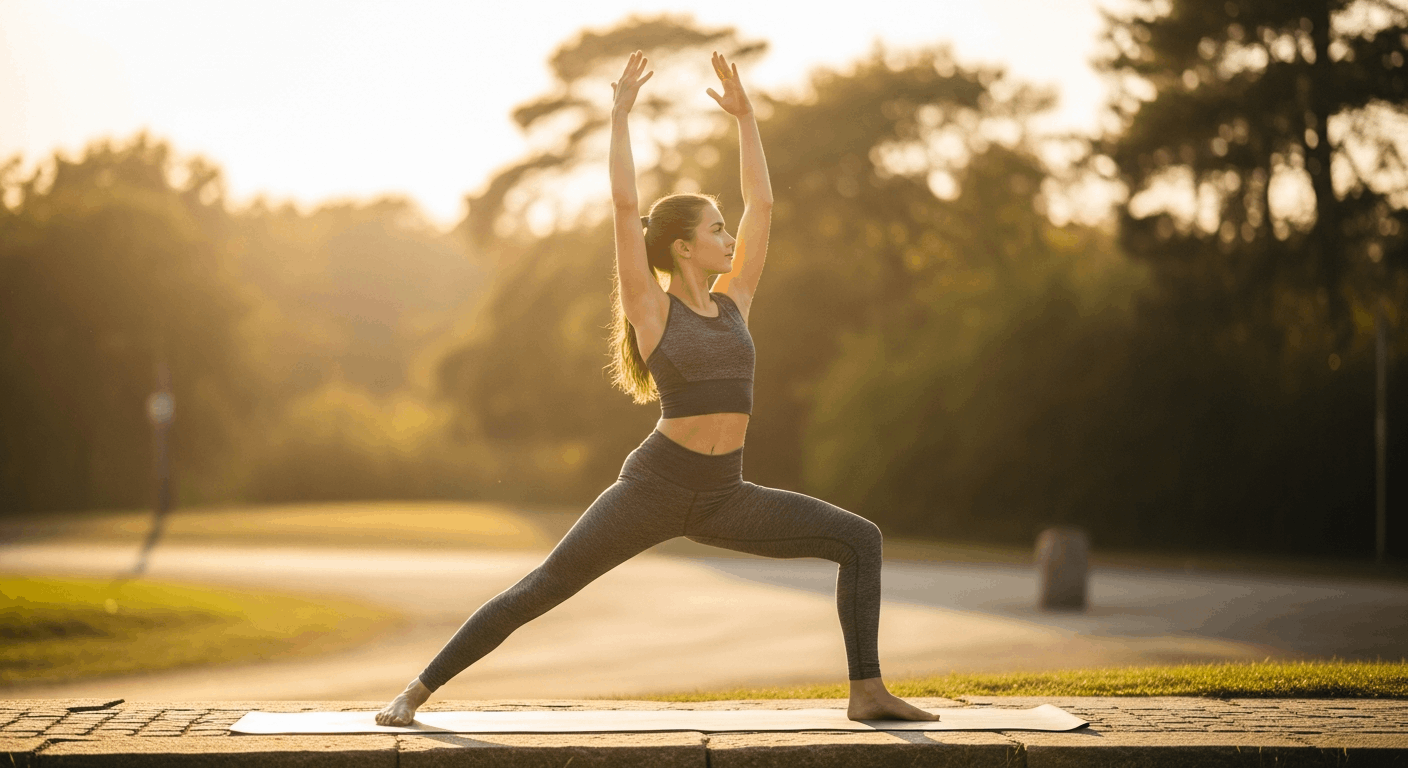
Yoga is a calm, steady way to get better physically. It doesn’t shout results. It takes its time to build them up. When I first started, I assumed yoga would make me more flexible. I didn’t expect my posture to get better, my breathing to go calmer, and my discomfort to go down. Yoga helps muscles, joints, and even organs without putting too much stress on the body.
It makes people desire to migrate without having to compete. There is no need to rush. There is no way to compare. Your body is just getting better at moving. Strength improves, balance becomes second nature, and even simple activities get easier over time.
Here is a clear list of the most important physical benefits:
Makes Your Muscles and Joints More Flexible and Healthy
If you sit for a long time, you may not even realize how stiff you are getting. Yoga gently stretches your muscles and keeps your joints working. After a while, bending, twisting, and reaching will feel normal again. Even small stretches every day can assist with pain that lasts a long time.
Gets Stronger Without Stress
Yoga doesn’t need any equipment; it uses your own body weight. Poses build muscle over time, which lowers the chance of getting hurt. Your back, legs, and core develop stronger without placing stress on your joints. This strength helps you get around every day.
Helps With Better Postureout Stress
Your neck and back can suffer if you have bad posture. Yoga makes you more conscious of your body. You begin to notice how you sit and stand. You can feel better and less anxious by changing your posture a little bit.
Helps You Keep Your Weight in Check
Yoga may not burn as many calories as intense workouts, but it does speed up your metabolism and make you more aware of your body. You pay more attention to how you exercise and what you consume. That information helps you keep your weight under control.
Helps the Lungs and Breathing Work Better
Learning how to breathe correctly is an important part of yoga. Deep breathing gives the lungs more oxygen and makes them stronger. Even when you’re not training, your breathing gets slower and deeper over time.
Of Sure, It Makes the Body Hurt Less
Bad movement patterns can hurt your back, joints, and muscles. Yoga doesn’t just heal the symptoms; it gets to the heart of the problem. Regular practice naturally makes discomfort go away.
Mayo Clinic explains how yoga supports physical health and flexibility.
The Good Things About Meditating
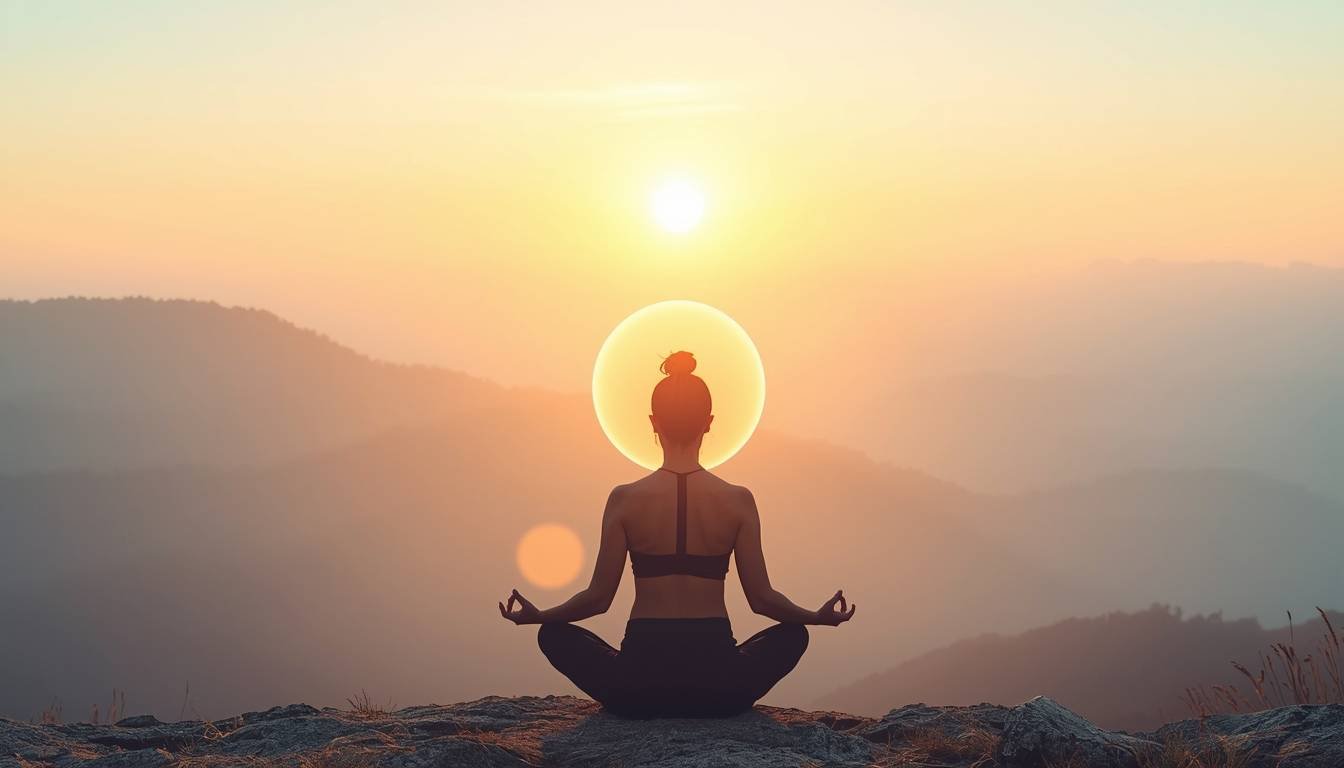
Meditation is excellent for your mind, just like yoga is beneficial for your body. It helps the mind slow down. At first, it feels odd. My mind is all over the place. I remember thinking that I was doing it wrong. No, I wasn’t. That disarray is part of the plan.
Your thoughts won’t stop racing when you meditate. It changes how you feel about them. You don’t respond as much and watch more as time goes on. Stress doesn’t go away; it just gets out of hand. Your thoughts become clearer. Your emotions become more balanced.
This is how meditation can help you in your everyday life:
Reduces Stress and Anxiety
Meditation calms the nervous system. Taking deep breaths and concentrating on anything lowers the levels of stress chemicals in your body. If you practice a lot, your anxious reflexes will get less strong.
Improves Focus and Attention
A lot of things get in the way of modern life. Meditation is like working out a muscle that helps you focus. You learn how to stay in the present longer. Your work gets better when you don’t let your mind wander.
Helps You Keep Your Emotions in Check
Strong feelings often lead to regret. Meditation provides you time to think about what you want to do before you do it. That break provides you time to think about your answer instead of immediately doing it.
Helps You Sleep Better
You can’t sleep if your thoughts won’t stop racing. Meditation before bed helps you relax. Even with fewer hours of sleep, it becomes deeper and more refreshing.
Makes You More Aware of Yourself
Meditation helps you understand how your mind operates. You know more about what makes you angry. That information helps you choose better and live a healthy life.
Helps You Think Clearly
When you’re stressed, your thinking can feel cloudy. Meditation helps you quiet your mind. It’s easier to make choices. Thoughts don’t seem as heavy.
Harvard Health explains how meditation helps reduce stress.”
Why Yoga and Meditation Matter in Modern Life (Benefits of Yoga and Meditation)
Life is loud these days. Notifications, deadlines, and expectations never cease. I get stressed out all the time now, but I shouldn’t. Yoga and meditation help you deal with all that noise inside. They tell you to take it easy without giving up on life. You can even reset your system in ten minutes a day.
Meditation and yoga aren’t merely pleasant things to do. They are tools for staying alive in a fast-paced world.
A Simple Way to Be Healthier
I didn’t choose yoga and meditation because they looked cool. I chose these since they were simple. You don’t need expensive tools. No perfect strategy. Just being the same.
Begin with little steps. Ten minutes of stretching every morning. Five minutes of calm breathing before sleeping. That’s it.
This blog isn’t about forcing people to stick to their routines. It’s about showing what works in real life. You don’t have to be perfect. You need to be patient. These small habits change how your body and mind feel and respond over time.
The peace and quiet really surprised me.
How to Start Doing Yoga and Meditation (Step by Step)
Step 1: Look for a Quiet Place
No need for a fancy setup. A tidy corner where you may unwind.
Step 2: Start With Brief Sessions
Begin with 10 to 15 minutes. Later on, longer sessions would happen on their own.
Step 3: Be Aware of How You’re Breathing
Breathing is what connects yoga and meditation. Slow, deep breaths guide both methods.
Step 4: Don’t Try to Do Everything Perfectly; Just Be Consistent
There are days when you miss. Come back without feeling guilty.
Step 5: Don’t Judge, Just Watch
Some days are better than others. That’s normal.
How It Helped Someone I Know
A friend of mine used to work long hours sitting in front of a computer. He was always tense, and his lower back pain became a daily issue. He started doing yoga for 15 minutes in the morning and meditating for 10 minutes before bed.
After about two months, he noticed small but real changes. His posture improved, his sleep became deeper, and he didn’t get overwhelmed by stress as quickly as before.
It wasn’t a sudden transformation. It was just consistent effort. And that’s what made the difference.
Want more tips for a healthier life? Read here:
https://picksorted.com/5-simple-steps-to-a-happy-and-healthy-life/