

SUV or sedan — almost everyone faces this question at some point. And honestly, it’s not an easy one. Both are popular. Both look good in ads. And both claim to be “perfect” for daily life. That’s where the confusion starts.
I’ve seen people buy SUVs because they looked powerful, only to struggle with parking every day. I’ve also seen sedan owners regret their choice the first time they hit a broken road with a full family inside. So this decision is not about what looks better online. It’s about how the car fits your real routine.
Think about your normal week. Office runs. Grocery stops. Weekend trips. Parents sitting in the back. Fuel bills at the end of the month. These small things decide whether SUV or Sedan makes sense for you.
SUVs usually attract buyers who want space, height, and confidence on rough roads. Sedans attract people who want smooth driving, easy control, and better fuel usage. Neither is wrong. They just serve different lives.
Below, I’ll break it down simply. No hype. No sales tone. Just honest points that actually matter when you live with the car every day.
SUV: Why Many People Feel Comfortable Choosing It
SUVs are not just about size or strong looks. For many drivers, they feel like a safer and more relaxed option for daily life. The higher seating position changes how you see the road and how you react to traffic.
You notice problems earlier — bad patches, sudden speed breakers, careless drivers — and that reduces stress while driving.
In many areas, roads are unpredictable. One stretch is smooth, the next is broken. SUVs deal with this without forcing the driver to slow down constantly. Families also feel more at ease because there’s room to move, sit comfortably, and carry things without planning every inch of space.
Over time, this comfort becomes the real reason people stick with SUVs — not the badge or the size, but the ease they bring to everyday driving.
Strong Road Presence
Sitting higher changes how driving feels. You see traffic earlier, spot potholes faster, and feel less stressed when roads get messy. That extra height quietly builds confidence, especially on highways.
Space That Actually Helps
SUV space isn’t just for show. It helps when kids stretch, luggage piles up, or groceries fill the boot. You don’t have to plan what to leave behind.
Better for Mixed Roads
If your driving includes broken streets, village roads, or unexpected detours, SUVs handle them calmly. You don’t slow down for every bump or speed breaker.
Comfortable for Family Travel
Long drives feel easier when everyone has room. Parents sit more comfortably. Kids complain less. These small things matter during real trips.
Easier Getting In and Out
This sounds minor, but it’s not. Elderly family members often prefer SUVs simply because they don’t have to bend too low.
Sedan: Why It Still Makes Sense for Many Drivers
Sedans may look simple at first glance, but that simplicity is exactly why many people prefer them. They focus on smooth driving, easy control, and comfort that doesn’t demand attention.
When you drive a sedan, everything feels balanced. Steering feels lighter. Turns feel natural. Even long drives don’t feel tiring.
For people who spend most of their time in traffic or on highways, sedans quietly make life easier. They fit into tight spaces, slip through city roads, and don’t feel heavy to manage.
Over months of use, this calm and predictable driving experience matters more than looks or road presence. That’s why many drivers, even after trying bigger cars, come back to sedans — they just feel right for everyday life.
Smooth Daily Driving
Sedans feel planted on the road. Turns feel controlled. Highway drives stay calm. You don’t fight the steering wheel; the car listens to you.
Better Fuel Spending
Sedans usually burn less fuel. Over months and years, this saves real money. Not exciting, but very practical.
City-Friendly Size
Traffic, narrow lanes, tight parking — sedans deal with these better. You don’t have to think twice before squeezing into a space.
Peaceful Cabin Feel
Lower height reduces wind noise. The ride feels quieter. After a long day, this matters more than people admit.
Easier on the Budget
Buying, servicing, and owning a sedan often costs less. For first-time buyers or daily commuters, this keeps stress low.
SUV or Sedan: How to Decide Without Overthinking
Here’s the truth most reviews won’t say: there is no best car type, only a better match for your life.
If your days are mostly city-based — office, errands, short trips — a sedan often feels easier. It doesn’t demand attention. It slips through traffic. It saves fuel quietly. Many people don’t realize how much they value this until they own a larger car and feel tired every day.
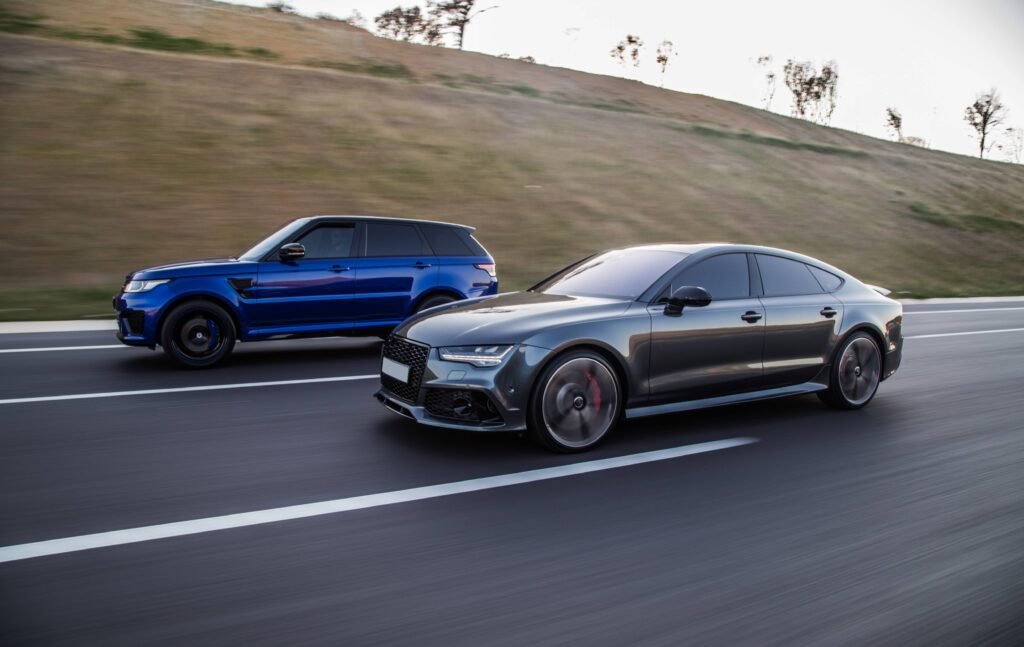
Now think about family life. Weekend travel. Bad roads. Heavy luggage. If these are common for you, an SUV starts to make sense. The extra space reduces stress. You stop worrying about scraping the bottom or adjusting bags every time.
Some buyers choose SUVs for looks. That excitement fades quickly if the car feels bulky in daily use. Others choose sedans to save money, then feel limited during trips. Both situations happen more than people admit.
The smart way to choose is boring but honest. Write down where you drive most. Count how many people sit with you regularly. Look at your parking situation. Check your fuel budget. Then test drive both.
The right choice feels natural, not impressive. When a car fits your routine, you stop thinking about it — and that’s when you know you chose well.
SUV vs Sedan: Quick Real-Life Comparison
| Situation | SUV | Sedan |
|---|---|---|
| Broken roads | Feels relaxed | Needs care |
| City traffic | Manageable | Easier |
| Family trips | Comfortable | Limited |
| Fuel savings | Average | Better |
| Parking | Needs space | Simple |
To understand how fuel efficiency differs between SUVs and sedans, the U.S. Department of Energy’s fuel economy data is helpful.
FAQ
Is SUV safer than sedan?
Safety depends more on build quality and features, not just size.
Which is better for first-time buyers?
Sedans are easier to manage and cheaper to own.
Can SUVs be used daily?
Yes, but city driving and parking need patience.
Do sedans handle highways well?
Very well. They feel stable and calm at speed.
Don’t buy a car to impress anyone. Buy the one that makes your daily drive easier. That’s the real win.
For safety insights, you can check vehicle crash ratings from the Insurance Institute for Highway Safety (IIHS). For more car buying guides, visit Picksorted.com.